Dr. C is a board-certified Pediatric Dentist in Toronto providing information to families on all things dental!
Please subscribe or reach out if you want to learn more!
-

Maintaining good dental health before and during pregnancy can help keep both you and your baby healthy. Regular dental visits are safe during pregnancy and can reduce the risk of gum disease, dental infections, and other complications. Is it safe to see the dentist if I am pregnant? Yes, it is safe to visit the…
-

Dental injuries from sports are common! Dental injuries during sports has a prevalence of 15% with most occurring in those without mouth guards! Some suggest a lost permanent tooth from a sports injury can result in $20,000 of treatment over a lifetime. This exceeds most dental insurance plans. Who is most at risk for dental…
-

What is an orthodontic pacifier? Orthodontic pacifiers are different than conventional pacifiers. They have a flatter nipple to mimic a human nipple. Orthodontic pacifiers claim to have a more “natural” shape than regular pacifiers, thus reducing risk of bite changes like open bite and posterior cross-bites. Checkout our first Dentopedia post on pacifiers to learn…
-
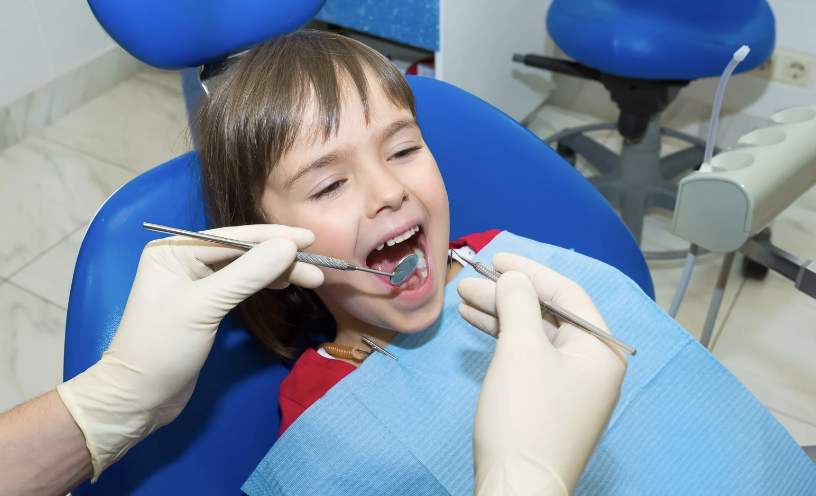
When should my child have their first dental visit? Your child should have their first visit within 6 months of first tooth eruption or by 12 months of age. This recommendation has been updated from previous guidelines, which suggested a first visit at 36 months. Research has shown that waiting until 36 months is too…
-

What are baby bottle cavities? Baby bottle cavities are a term used for cavities that start at an early age. They usually occur in children under 3 years old. The cavities are typically found on the upper front teeth. Parents may notice them as white or brown spots. The conventional term for baby bottle cavities…
-

What is bad breath? Bad breath (aka halitosis or oral malodor) describes foul-smelling breath from the mouth. No surprises there. Oral cause of bad breath is caused by bacteria (gram-negative anaerobes). These bacteria break down sulphur-containing amino acids and produce volatile sulphur compounds (VSCs). These bad-smelling compounds include hydrogen sulfide, methyl mercaptan and dimethyl sulfide.…
-

Teeth grinding is a common habit noted in children. It can happen when awake or asleep. Parents can hear the grinding sounds while their child is sleeping. Most kids don’t have any pain or concerns from grinding alone. What is teeth grinding (aka bruxism)? Teeth grinding (aka bruxism) is an involuntary and repetitive jaw muscle…
-
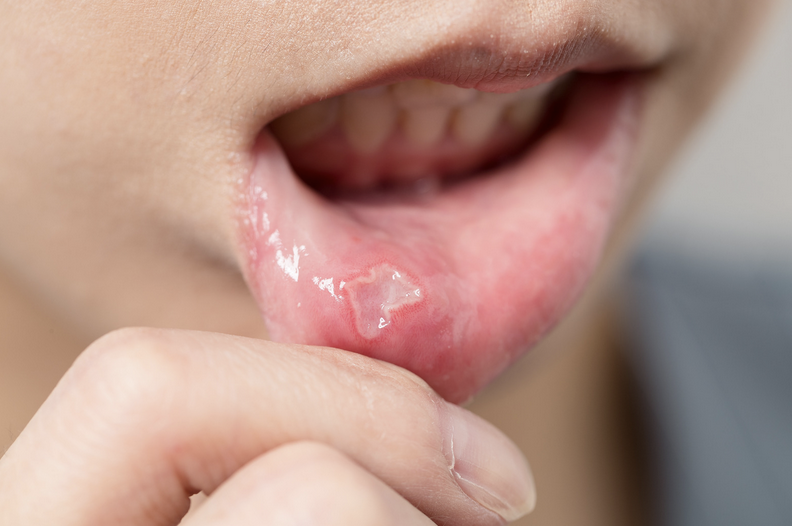
What are canker sores? Canker sores (also called aphthous ulcers) are small, shallow ulcers that develop on the soft tissues in your mouth. They are white or yellow sores with a red border. They occur inside the mouth and the location varies based on the specific type of sore. Finally, canker sores are NOT contagious!…
-

Mouth breathing is a hot topic discussed on social media and among parenting groups. Parents should be aware that there is a lot of misinformation and weak research evidence in this area (especially for children). That being said, there is some support for mouth breathing having an impact on your child’s teeth so lets get…
-

Why is brushing so important to reduce cavities? Cavities are mainly caused by 2 factors: 1) Sugar and 2) Bacteria (plaque). The bacteria eat sugar from our food and release acid on our teeth. This acid causes our teeth to breakdown into cavities over time. Brushing prevents cavities by mechanically removing bacteria, sugar and acid.…